
Fashion is for everyone – isn’t it?
At halow, we believe everyone should have the opportunity to express who they are, make their own choices and feel confident in the world around them. Fashion can play an important part in that.
For people with learning disabilities and autism, clothing is not only about practicality. What we wear can be a way of showing our personality, building confidence and feeling part of the occasions and communities that matter to us.
Inclusive and adaptive fashion asks us to think beyond a one-size-fits-all approach. It means listening to people’s individual needs and preferences and, importantly, involving them in the conversation about what works for them.
We were delighted to invite Ezinma Mbeledogu, fashion academic and Senior Lecturer at the University for the Creative Arts, to share her perspective on adaptive fashion, representation and why the future of fashion should be shaped alongside the people who wear it.
Fashion is for everyone – isn’t it?
Imagine getting ready to go to a party, nightclub or special event. You have decided what you want to wear, you know how you want to look and you are excited about going out. But then you discover that the clothes available simply do not work for you.
You are fashionable – you just cannot find the fashion.
For me, this is one of the most interesting challenges facing the fashion industry today.
I am a fashion academic and teach undergraduate fashion students at the University for the Creative Arts. I love seeing students create clothes that make people feel confident, expressive and fabulous. Often, they design for themselves, or for someone they admire. But what happens when the person you want to design for is not represented in the fashion system?
For a long time, fashion has been designed around an imagined “average” body. Adaptive fashion challenges that idea. It considers how clothing can work for people with different physical, sensory or cognitive needs – while still being fashionable, expressive and fun.
And that last bit is important.
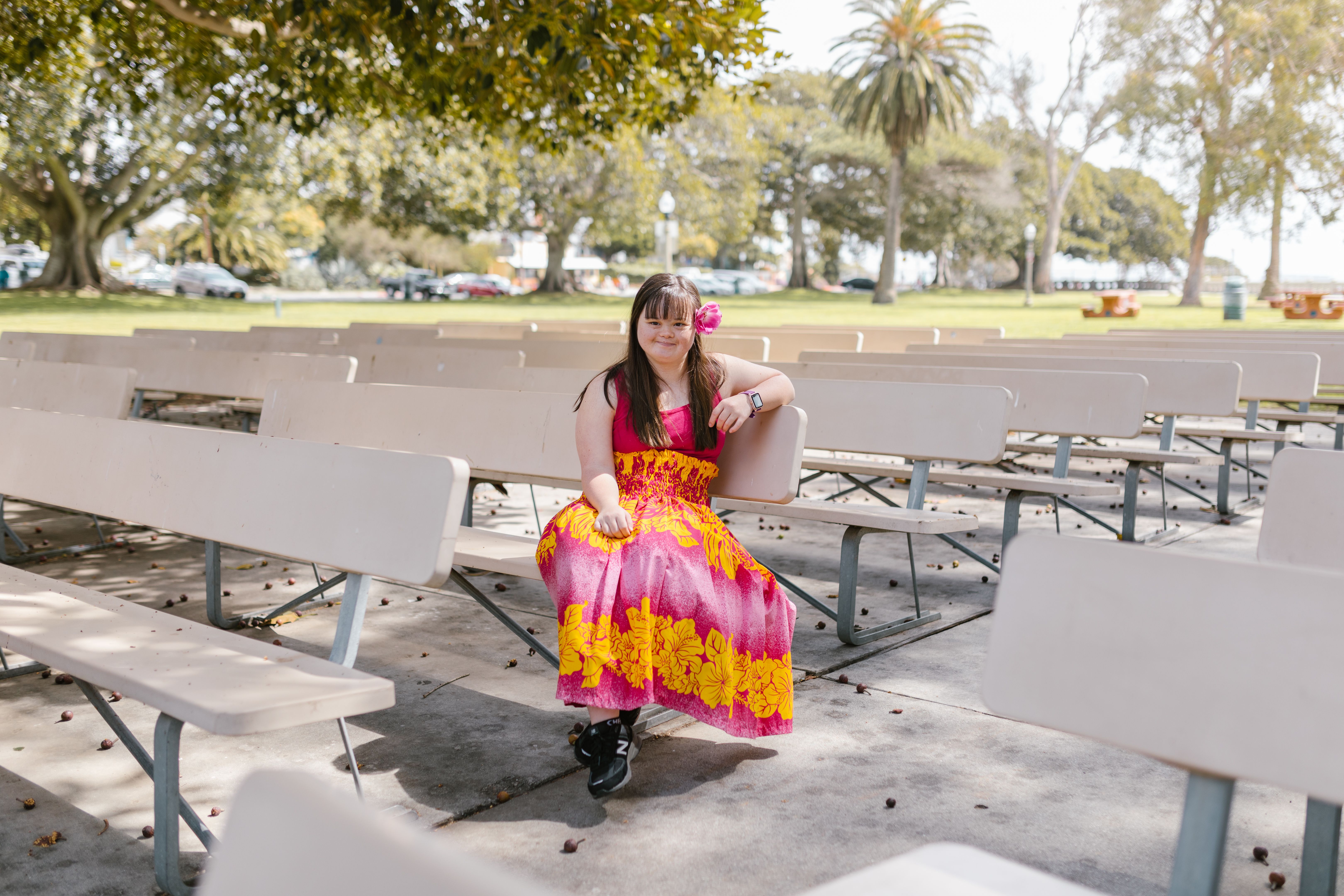
Adaptive fashion should not simply mean clothes that are easier to put on. Clothing can support independence, comfort and dignity, but it can also communicate personality. You might want to look cool, glamorous, quirky, sophisticated or completely outrageous. Why should disability mean having fewer choices?
There are encouraging signs that things are changing. Designer and disability advocate Victoria Jenkins, founder of Unhidden, has been a pioneer in adaptive fashion, and Unhidden became the first adaptive fashion brand to join the British Fashion Council. High-street retailers are also taking notice: Primark has developed an expanding adaptive range in collaboration with Jenkins, including clothing designed for seated wear, easier fastenings and sensory considerations.
The recent Design and Disability exhibition at the V&A was another powerful reminder of what happens when disabled people are recognised as experts in their own experiences. The exhibition showcased the work of Disabled, Deaf and neurodivergent designers and makers, demonstrating how lived experience can generate innovative, expressive and exciting design.
This is why I believe the future of fashion is co-creation: designing with people, rather than simply designing for them.
This principle is particularly exciting to me as I look towards working with halow’s young adults on a potential research project exploring fashion for social occasions. Together, we could explore what young people actually want to wear when they are going to parties, clubs and other events – not what we think they should wear. The aim would be to develop a capsule collection that combines style, choice, comfort and adaptability.
After all, approximately 1.3 billion people – around 16% of the world's population – live with significant disability. That is a lot of people who deserve to see themselves reflected in fashion.
Adaptive fashion should not be a passing trend or something kept at the margins. It should simply become fashion.
Because everyone deserves the opportunity to get dressed, look fabulous and feel that they belong.

.webp)