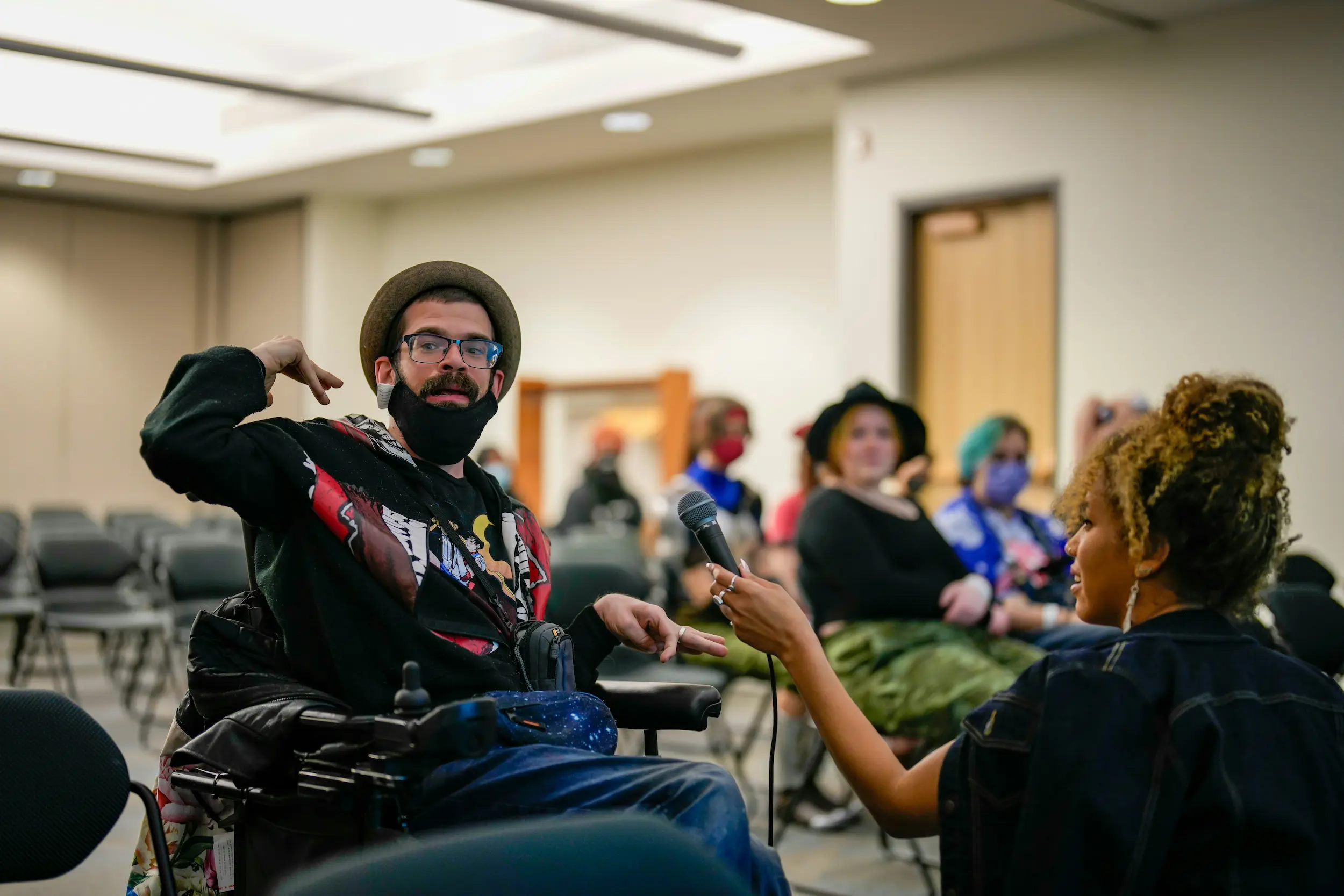
Five Simple Ways to Support a Neurodivergent Friend
When it comes to supporting a neurodivergent friend, it does not require having all the answers. Often, the most meaningful support comes from patience, understanding, and a willingness to listen. Every autistic person is different, but here are five simple ways to be a more supportive friend.
1. Listen Without Judgement
Sometimes your friend may communicate differently, need extra processing time, or express emotions in ways you may not expect. Try to listen without interrupting or making assumptions. Remember creating a safe and accepting space can make a huge difference.
2. Respect Sensory Needs
Busy environments, loud noises, bright lights, or sudden changes can feel overwhelming for some neurodivergent people. If your friend seems uncomfortable, ask what might help. Small adjustments - like choosing a quieter café or giving advance notice of plans - can help them feel more at ease.
3. Communicate Clearly
For neurodivergent people, indirect hints or vague plans can sometimes create anxiety or confusion. Being clear, honest, and straightforward in communication can help avoid misunderstandings and build trust.
4. Don’t Pressure Them to “Fit In”
Many neurodivergent people spend a lot of energy masking or hiding parts of themselves to feel accepted. Encourage your friend to be themselves rather than expecting them to behave in a ‘normal’ way. Helping them to accept themselves is far more valuable than forcing conformity.
5. Learn About Neurodiversity
Taking time to educate yourself about autism and neurodiversity shows care and commitment. Understanding different communication styles, sensory experiences, and social needs can help you become a more empathetic and informed friend.
Don’t be scared! At the heart of all good support is simple human kindness: listening, adapting, and making people feel valued for who they are.